Sayyid Al-Hakeem: to Adopt Automation, E-Government Optimal Way to Protect Public Funds, Combat Corruption
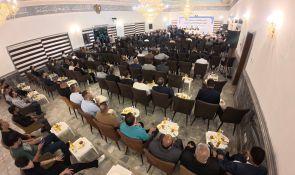
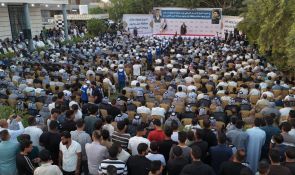
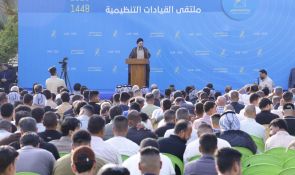
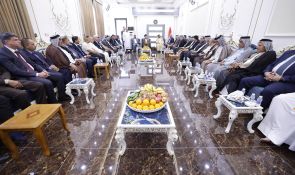
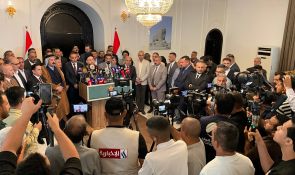
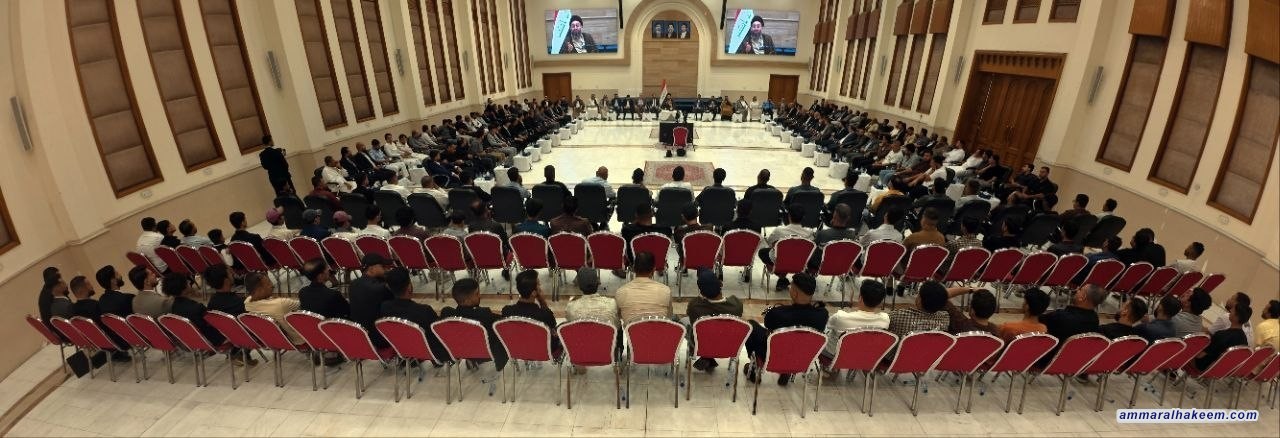
During the meeting with a group of organizational leaders of Al-Hikma National Movement in holy Karbala, His Eminence Sayyid Al-Hakeem, Head of the National State Powers' Alliance and Leader of Al-Hikma National Movement, offered condolences on the anniversary of the martyrdom of Sayyida Al-Zahra (PBUH), calling for emulating the approach of Sayyida Al-Zahra in leveraging the event to achieve the goal and establish the truth, and renewing the call to resolve the issue of weapons outside the state through dialogue and understanding and by prioritizing the public interest over private interests.
H.E. called for taking pride in the historical identity and national legacy of Al-Hikma National Movement by recalling the national stances of its leaders and symbols, stressing pride in the Al-Hikma project, belonging to it, and defending it.
H.E. affirmed the importance of moving from the phase of expansion to the phase of impact, describing leadership as influence, and pointing to the importance of becoming acquainted with the political position on internal and external issues, explaining that this makes the organized member well-armed and informed about the course of events and their outcomes.
H.E. explained that the corruption cases uncovered recently have gone beyond the stage of theft to the stage of plundering public funds, calling for safeguarding public funds by adopting automation and e-government systems and dealing in a transparent manner that reduces human involvement, and regarding the adoption of this approach as the optimal way to combat corruption.
H.E. stressed the importance of inclusion and internal solidarity, bearing grievances patiently, and prioritizing the public interest over private interests, calling for making the most of this phase and of Al-Hikma's influential and persuasive discourse, and stressing serving people by every available means.
H.E. pointed to the importance of being convinced that the influential are always targeted, and therefore of enduring this targeting, dismantling it, and explaining it to the general public, noting the importance of communicating with political forces and building the best relations with them, while stressing the importance of institutional work.